


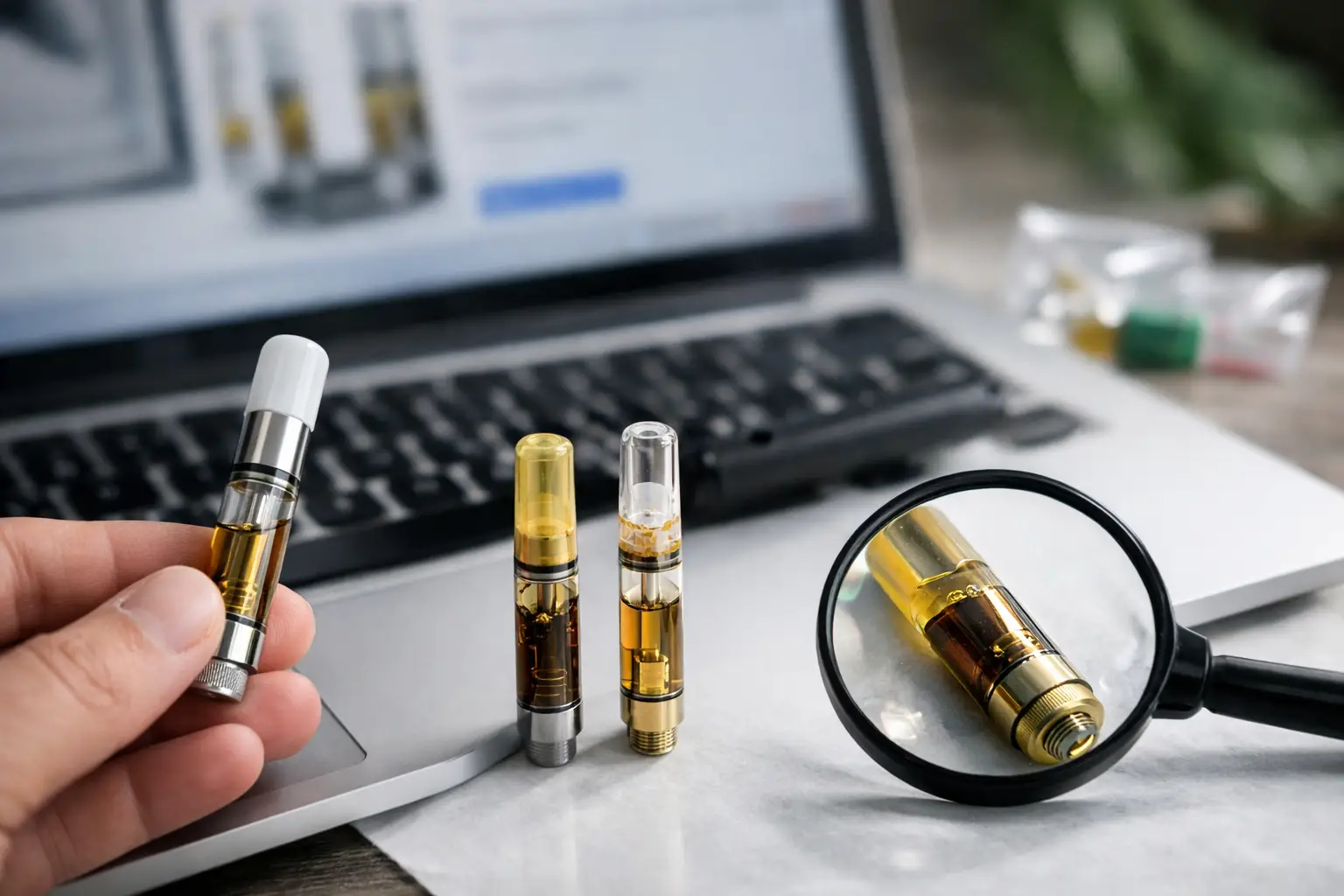
One bad cart can ruin more than a checkout. It can waste your money, kill the flavor you were expecting, and leave you guessing whether the oil, hardware, or packaging was ever real in the first place.
That is why experienced buyers do not shop vape carts online based on a flashy product photo alone. They look for proof. If you want to avoid counterfeit vape carts online, the safest move is to treat every listing like it has to earn your trust.
Why counterfeit carts are still a problem
Counterfeit vape carts keep showing up for one reason – they sell. Fake sellers know shoppers want high potency, popular flavors, and fast shipping. So they copy the look of real products, borrow brand names, and lean hard on low prices to get quick conversions.
The problem is that counterfeit products rarely fail in obvious ways before purchase. The product page can look polished. The flavor names can sound right. Even the packaging photos can appear clean and premium. What usually gives the fake away is everything around the listing: missing verification details, weak support, vague testing claims, and no real protection if the item arrives wrong.
For buyers who care about smooth pulls, consistent hardware, and authentic oil, that difference matters. You are not just buying a flavor. You are buying reliability.
How to avoid counterfeit vape carts online before you click buy
The fastest way to avoid a fake is to stop chasing price alone. A cart that looks dramatically cheaper than the rest of the market is not automatically fake, but it should force a closer look.
Start with the seller, not the product image. A trustworthy store usually makes authenticity part of the buying experience. That means clear product details, straightforward customer support, secure checkout, realistic shipping information, and some kind of replacement or refund policy. A counterfeit-friendly seller tends to hide behind thin descriptions and vague promises.
Look closely at the way the product is presented. Real brands selling premium devices and carts usually care about consistency. Flavor naming, potency claims, packaging style, and product photos should all feel aligned. If one listing says premium and lab tested, but another on the same site looks thrown together with mismatched images and sloppy copy, that is a warning sign.
The product page should answer real questions
A legitimate product listing does more than push urgency. It should tell you what you are buying in plain language.
That includes the product type, expected potency, flavor profile, device style, and any verification or authenticity guidance. If a page spends more time saying limited stock and almost no time explaining what makes the item real, the priorities are off.
You should also be suspicious of recycled photos that look overly compressed, cropped from another site, or inconsistent with the rest of the catalog. Premium brands usually invest in clean, consistent visuals because presentation is part of the product experience. Fake listings often patch images together and hope the buyer will not notice.
Lab-tested claims should feel specific, not decorative
Lab testing is one of the most overused trust signals in vape retail. Real sellers treat it like proof. Fake sellers use it like wallpaper.
If a website claims products are lab tested, that claim should connect to actual product confidence. The language should be consistent across the site, not dropped in randomly as filler. Even when full reports are not shown on the product page, the brand should speak clearly about testing standards, authenticity, and quality assurance.
This is where experienced buyers use common sense. If a seller claims premium quality, high potency, and top-tier purity but offers no sign that they care about verification, that disconnect matters. Clean brands tend to be proud of their process. Counterfeit sellers usually stay vague because details create accountability.
Packaging tells you a lot, even online
You do not have to hold the box in your hand to spot a packaging problem. Product images can tell you plenty.
Watch for spelling errors, odd logo placement, inconsistent fonts, poor print quality, or packaging designs that do not match the brand’s usual style. Fake products often get close, but not clean. The details feel slightly off because they are copies, not originals.
Also pay attention to whether the store talks about secure packaging and fresh delivery. That may sound basic, but it signals that the seller understands what customers worry about after purchase. Authentic sellers know the condition of the item when it lands matters just as much as the listing itself.
A real warranty is one of the clearest trust signals
Counterfeit operations hate warranties for a simple reason – warranties cost them money.
If a seller has a clear replacement or refund policy, that is a good sign. It shows they expect products to arrive as described and are willing to stand behind the order if something goes wrong. On the other hand, if the site is hard to contact, avoids specifics, or makes support sound like a fight, think twice.
This matters even for experienced buyers who know the category well. Devices can have occasional defects, shipping issues happen, and packaging can get damaged in transit. A strong warranty does not just protect you from problems. It also tells you the business expects repeat customers, not one-time wins.
Reviews help, but only when you read them the right way
Customer reviews can be useful, but they are not enough on their own. Fake sellers know how to post generic five-star praise.
The better signal is specificity. Real reviews usually mention flavor quality, draw consistency, packaging condition, shipping speed, or whether the item matched expectations. Fake reviews tend to sound flat and interchangeable. If every review says basically amazing product with no details, treat that as weak evidence.
It also helps to look at how the store presents the broader customer journey. Is the checkout clean? Are account functions normal? Does the site look built for ongoing business rather than quick flips? Counterfeit sellers often invest in the front image but not the full buying experience.
How to avoid counterfeit vape carts online when prices look tempting
Everybody likes a deal. The issue is not low pricing by itself. The issue is pricing that makes no sense.
When a product is listed far below comparable premium offerings, ask why. Sometimes there is a legitimate promo, bundle pricing, or wholesale-style discount. But when a seller offers steep cuts with no explanation, no authenticity reassurance, and no warranty confidence, the low price becomes the red flag.
Premium carts and disposables are built around performance, flavor consistency, and reliable hardware. Those things cost money. A suspiciously cheap listing often means something has been cut – quality control, authenticity, support, or all three.
The safest stores make verification easy
The best online vape retailers do not act annoyed that shoppers want proof. They make verification part of the experience.
That could mean a dedicated authenticity page, clear guidance on how to verify product, visible contact information, straightforward order tracking, or transparent support if something seems off after delivery. Confidence looks organized. Counterfeit sellers usually make buyers do all the work.
This is one reason trusted stores stand out. They know shoppers are not just comparing flavors. They are comparing peace of mind. A premium buying experience should feel clean from product page to unboxing.
If you are shopping at Clean Carts, that focus on authenticity, secure packaging, fast delivery, and a straightforward warranty is part of the reason customers come back.
What to do if a listing feels off
If something about a product page feels inconsistent, do not force yourself to justify it. Leave the listing and compare it against a seller that communicates more clearly.
A smart buyer pauses when the details do not line up. Maybe the packaging looks wrong. Maybe the lab-tested claim feels empty. Maybe the price looks too good and the support policy looks too weak. You do not need every red flag at once. One or two can be enough to move on.
That is the real strategy if you want to avoid counterfeit vape carts online. Buy from businesses that treat authenticity as part of the product, not just part of the marketing.
The best cart experience starts before the first pull. It starts with choosing a seller that makes trust easy, quality visible, and verification non-negotiable.