



One case looks cheap until the failure rate hits. Another costs more up front, but it lands clean, tastes right, charges properly, and gets reordered fast. That is where wholesale margins are really won in disposables.
If you are buying for a smoke shop, online operation, delivery menu, or rep network, price per unit is only the first number that matters. A real wholesale disposable vape pricing guide has to cover what drives the quote, what quietly raises your landed cost, and how to spot the difference between a deal and dead inventory.
What actually sets wholesale disposable vape pricing
Disposable vape pricing moves on a few core inputs, and they do not all carry the same weight. Oil quality, hardware consistency, puff count claims, battery size, charging features, packaging, and order volume all affect the final number. But in practice, the biggest split is usually between product that is built to sell through cleanly and product that is built to look cheap on paper.
A lower wholesale price often means one of three things. The extract or oil blend is less consistent, the hardware is less reliable, or the supplier is cutting corners on packaging, testing, or post-sale support. Sometimes all three show up at once. That might still work for a fast, low-price retail environment, but it usually creates more customer service problems, more return pressure, and more damage to repeat business.
Premium pricing, on the other hand, should buy you something measurable. Better coil performance. More stable flavor from first pull to last. Rechargeable formats that reduce waste from dead batteries. Verified packaging. Lab-tested inventory. A warranty process that does not turn every issue into an argument. If the quote is higher but those pieces are real, your margin can still be stronger.
A wholesale disposable vape pricing guide by product tier
The fastest way to read a quote is to place the product in a tier. That gives you context before you compare numbers line by line.
Entry tier
This is where buyers chase the lowest cost per unit. Packaging is usually basic, flavor variety may be thin, and hardware consistency can be uneven. This tier can work for highly price-sensitive stores, but only if return rates stay under control. If your customers care about flavor, authenticity, and device reliability, the cheap box often gets expensive later.
Mid tier
Mid-tier products usually offer the best balance for resellers. You get better battery reliability, cleaner presentation, and stronger flavor retention without paying top-shelf rates. For many buyers, this is the range where reorder velocity matters more than squeezing out the last few cents.
Premium tier
Premium disposables command more because the product has to justify the claim every time. That means stronger branding, better packaging integrity, lab-tested inventory, and hardware that performs consistently across a larger batch. In a premium category, customers are not only paying for potency or flavor. They are paying to avoid disappointment.
For shops that compete on trust, not just price, premium inventory tends to create fewer headaches. The best units do not just sell once. They build confidence that brings the customer back for the same device, the same flavor family, or the same brand.
The pricing line items buyers miss
A wholesale quote can look simple and still hide the numbers that matter most. If you are comparing suppliers, ask what is included before you assume one is cheaper.
Packaging matters more than many new buyers expect. Secure, retail-ready packaging protects the product in transit and makes a better impression on arrival. It also lowers the risk of damaged units and questionable presentation on the shelf.
Verification features also affect price, and for good reason. In a category where authenticity matters, verification tools are not a cosmetic extra. They help protect your operation from counterfeit concerns and reduce the risk of customers questioning whether they got the real product.
Testing is another major divider. Lab-tested inventory costs more than product with vague claims and no documentation. But if you are running a serious operation, that extra cost supports customer trust and protects your reputation when shoppers ask hard questions.
Then there is warranty exposure. A cheap supplier with weak support can erase your savings fast. If replacements are slow, disputed, or impossible to get, you are the one eating the cost with your customer. Reliable warranty terms are part of pricing, even if they are not printed in bold.
Why 2g disposables change the math
Larger-format disposables, especially 2g devices, can improve per-unit value, but they are not automatically the better buy. They usually carry a higher ticket price, which can tighten cash flow on bigger orders. At the same time, they often give customers a better value perception and can lift average order size at retail.
For wholesale buyers, 2g products work best when the hardware is dependable. A larger oil capacity in a weak device creates obvious problems, from clogging to battery failure before the tank is fully used. That is why rechargeable designs and consistent coil performance matter more in this segment. If the device is built well, the higher upfront cost can produce stronger sell-through and fewer complaints.
If the hardware is not dialed in, larger formats can backfire. More product in the unit means more value at risk every time a device fails.
MOQ, volume breaks, and margin reality
Minimum order quantity has a direct impact on wholesale pricing, but chasing the biggest break is not always the smartest move. A larger order can lower your unit cost, yet still hurt your margin if flavor mix, turnover, or local demand is off.
The right volume is the one you can move confidently without sitting on stale inventory. Flavor-forward categories shift fast. What looks like a great bulk deal can trap cash if you are overstocked on profiles your customers only buy once.
A better strategy is to look at three numbers together: your true landed cost, your expected sell-through rate, and your replacement risk. If one supplier is 8 percent cheaper but has slower turns and more support issues, that discount is not really a discount.
For established buyers, the best wholesale relationships usually come from predictable reorders rather than one oversized opening order. Consistency creates leverage. Suppliers are more willing to sharpen pricing when they trust your volume pattern.
How to compare quotes without getting fooled
A clean comparison starts with standardizing the basics. Look at device size, oil type, charging feature, packaging quality, flavor count, and support terms side by side. If one quote leaves out verification, testing status, or replacement policy, count that as a warning, not a mystery.
You should also ask about defect handling before placing a serious order. A supplier that stands behind the product will answer clearly. A supplier that gets vague on replacements is telling you exactly how post-sale issues will go.
Lead time matters too. Fast delivery is part of cost control. If inventory takes too long to arrive, you lose selling days and risk stock gaps on your best-moving flavors. That hurts more than a slightly higher case price.
This is also where premium suppliers separate themselves. The strongest partners do not only ship product. They protect your reorder cycle with consistent stock, intact packaging, and straightforward support when something goes wrong.
The safest way to buy for long-term profit
The smartest wholesale buyers do not try to buy the absolute lowest number on the page. They buy dependable product that keeps customers coming back. In disposables, repeat demand is built on clean flavor, authentic presentation, and hardware that performs the way it should.
That is why a serious wholesale disposable vape pricing guide has to go beyond unit cost. Your real profit lives in fewer defective units, stronger reorder behavior, and less time spent cleaning up supplier problems. Buyers who understand that usually end up with better margins, even when their initial quote is not the cheapest.
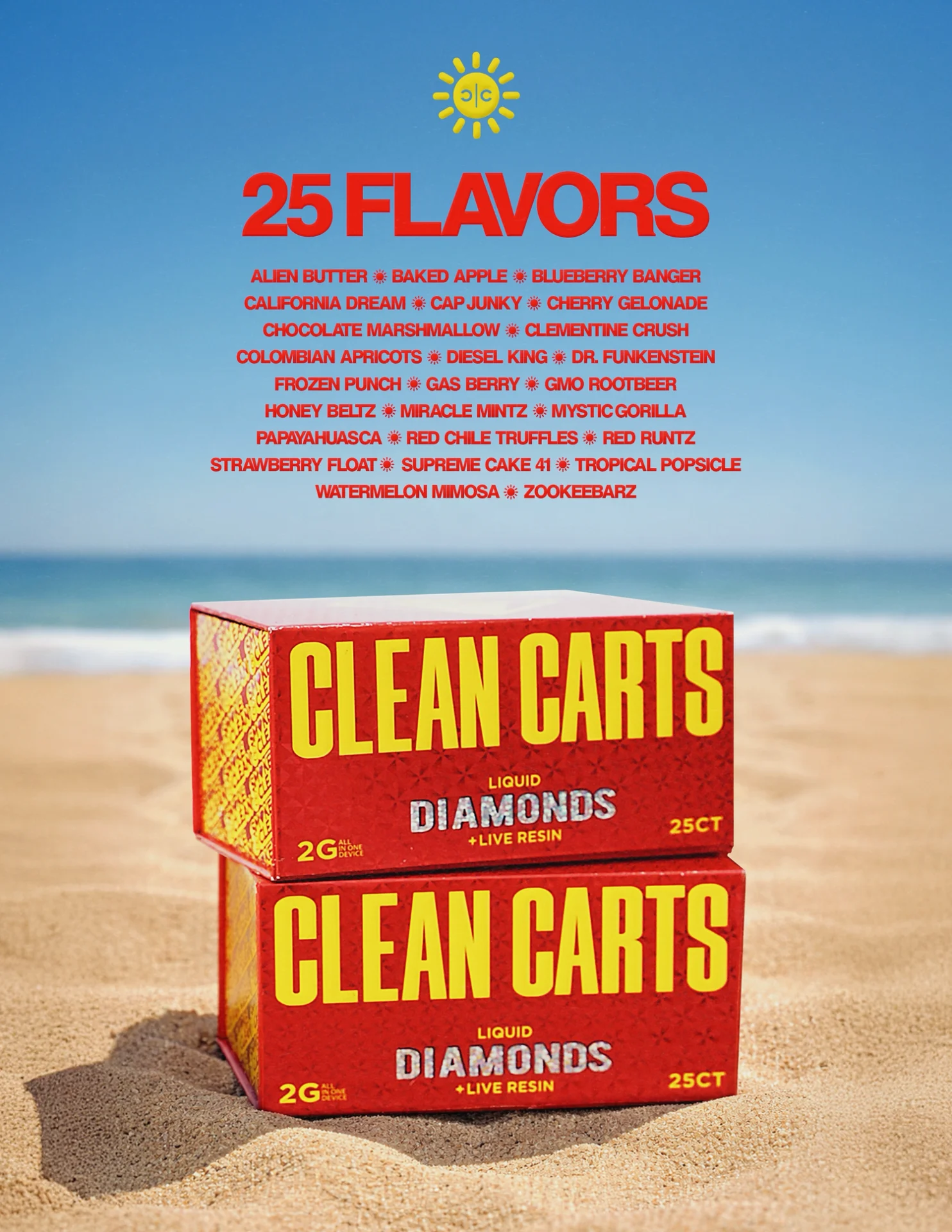
If you are evaluating wholesale inventory, look for the combination that protects both sides of the sale: a premium enough product to earn trust, and a stable enough price structure to leave room for healthy markup. At CleanCarts.shop, that standard starts with authenticity, consistent performance, and support that does not disappear after checkout.
The best price is the one that still looks good after the customer finishes the device and comes back for another.